Fishing Baits
The Maggot
care of your maggot
fishing with maggots
The Pinkie
care of your pinkies
fishing with Pinkies
The Squat
care of your squats
fishing with squats
The Gozzer Maggot
fishing the gozzer
The Caster
care of your caster
fishing with casters
hooking casters
Worms
lobworm
dendrobaena worm
redworm
brandling
Bloodworm and Joker
Bread Baits
paste flake crust
punch liquidised mashed
Paste Baits
making paste baits
using paste baits
Luncheon Meat
fishing with luncheon meat
Cheese
fishing with cheese
Particle Baits
preparation
fishing with particles
Sweetcorn
feeding sweetcorn
colouring and flavouring
imitation sweetcorn
Hemp
preparation
fishing with hemp
Tares
preparation
fishing with tares
Maple Peas
preparation
fishing with maple peas
The Maggot
care of your maggot
fishing with maggots
The Pinkie
care of your pinkies
fishing with Pinkies
The Squat
care of your squats
fishing with squats
The Gozzer Maggot
fishing the gozzer
The Caster
care of your caster
fishing with casters
hooking casters
Worms
lobworm
dendrobaena worm
redworm
brandling
Bloodworm and Joker
Bread Baits
paste flake crust
punch liquidised mashed
Paste Baits
making paste baits
using paste baits
Luncheon Meat
fishing with luncheon meat
Cheese
fishing with cheese
Particle Baits
preparation
fishing with particles
Sweetcorn
feeding sweetcorn
colouring and flavouring
imitation sweetcorn
Hemp
preparation
fishing with hemp
Tares
preparation
fishing with tares
Maple Peas
preparation
fishing with maple peas
Bread.
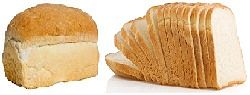
One of the oldest fishing baits used in angling and one of the cheapest fishing baits as well.
Bread is used in fishing as a hook bait and as a groundbait
The four main ways of fishing with Bread as a hook bait are - Punch, Paste, Flake and Crust and as a groundbait bread can be liquidised or mashed.
Bread Punch
Bread punch is a small piece of bread used as hook bait that is cut from a slice of bread.
Bread punch is also the name of the tool that is used to cut (or punch) the small piece of bread from a slice of bread.
This tool has a sharpened metal tube at one end, usually with a split in the side making it easier to get the bread onto your hook. Tackle manufacturers make bread punches of different sizes to produce different sized pellets of bread. The size of the pellet of bread will dictate the size of hook you need to use bearing in mind that when wet the punch of bread will swell to double its size.
Place a fresh slice of bread onto a clean flat surface and push the punch into the soft white bread and twist. Lift the punch and you will see the piece of bread stuck in the end. Now take your hook and pushing the point through the split and into the bread transfer the punch onto your hook.
If the hook point hasn't gone through the piece of bread completely then push the hook through the bread until the point is showing.
Tip.
I've tried this myself and it works.
What you need - a slice of fresh bread, rolling pin, ruler or straight edge and sharp knife.
1. Place a fresh slice of bread on a flat surface and cut away the crust from the sides.
2. Using a rolling pin roll (flatten) the slice of bread
3. Using the ruler / straight edge and knife cut the bread into very thin strips - then cut across the strips to make very small squares of bread.
The small squares of bread can be put into a container and used in the same way as bread punch.
Bread Paste
A fishing paste bait is similar in appearance to dough (the result of mixing flour and water when making bread). If using a very fresh sliced loaf then by pressing and moulding the centre of a slice between your fingers you will produce a paste for hook bait.
For more info on bread paste and paste as a fishing bait see Paste Baits
The Compleat Angler by Izaak Walton - fishing with bread paste 300 years ago.
I have seen this done at Windsor and Henley Bridge, and great store of Roach taken; and sometimes, a Dace or Chub. And in August you may fish for them with a paste made only of the crumbs of bread, which should be of pure fine manchet; and that paste must be so tempered betwixt your hands till it be both soft and tough too: a very little water, and time, and labour, and clean hands, will make it a most excellent paste. But when you fish with it, you must have a small hook, a quick eye, and a nimble hand, or the bait is lost, and the fish too; if one may lose that which he never had. With this paste you may, as I said, take both the Roach and the Dace or Dare; for they be much of a kind, in manner of feeding, cunning, goodness, and usually in size. read full extract
Bread Flake
Bread flake is the fluffy white centre of a loaf of bread and almost all fish can be caught on bread flake.
The size of the flake should match the size of your target fish and the size of hook needs to match the size of flake. For instance - if roach or rudd fishing with small pieces of bread flake then choose a hook size 16 to 12. For larger fish such as chub, tench or carp a hook size of 12 or larger should be used.
Bearing in mind the target fish and hook size, tear a piece of bread from the centre of the loaf and push the hook point into it, turning the hook so that the point shows through the other side. Now gently squeeze the bread onto the shank just enough to hold it in place. If when reeling in the bread flake is still attached then you have squeezed it on to tightly.
Bread flake can be used with all styles of fishing, i.e. float, leger or free lining.
Bread Crust
The crust of a loaf is one of the best fishing baits for catching surface feeding fish such as carp. Legering and free lining with bread crust on rivers and streams for chub is also a good method and has accounted for the capture of many large fish (This is one of John Wilson's favourite ways of fishing rivers like the Wensum)
An un-sliced loaf is best, used with a wide gape hook, size depending on the target fish and size of crust.
Tear a piece of crust off the loaf and push the point of the hook into it and twist it through the crust so the point is just showing through the other side. Some anglers say it doesn't matter if the point is showing because the bread will soften and the hook will pull through it on a strike. This may be true but I prefer the point to be showing.
Liquidised bread
To make liquidised bread is simply a matter of putting slices of bread into a liquidiser or food processor and switching it on. If your fishing for fish in general then leave the crusts on - this gives a fine to coarse mix. If your fishing bread punch for roach then for a finer crumb, cut the crust off first. Place the mix in a container or polythene bag. If not using the liquidised bread immediately it can be kept in a freezer for quite some time.
When using liquidised bread while punch fishing for roach, lightly dampen the liquidised bread and taking a handful, by gently squeezing it together you will be able to throw it to where you are fishing. This will break up almost immediately, enticing the fish into the area. Liquidised bread is also effective in an open end feeder, as with bread mash explained in the chapter above.
Bread Mash
Groundbait mash is bread and water mashed up in a container to make a fairly sloppy mix.
Making bread mash is similar to making bread paste for fishing but more bread and water is used.
Take a loaf or two of old stale bread (sliced or un-sliced), put into a bucket or container and pour in water (and flavouring if you wish) to cover the bread. Give it time to soak and then drain off the excess water. Now using your hands pulp the bread by squeezing it through your fingers to mash it up. Do this until all the bread has been broken up and you end up with a bucket of mushy bread - this doesn't want to be too sloppy and the bits of bread left in the mix don't want to be too large, you want to attract the fish, not feed them off.
This mix can be used to good effect when fishing with bread for most fish and is a proven attractor when chub fishing on rivers and streams using flake as a hook bait. It is also a great attractor when fishing bread punch for roach.
Bread mash is used by throwing into the water as a kind of groundbait to attract the fish. When thrown into water the mashed bread forms a white cloud while falling through the water and fish are attracted to this, swimming about eating the particles of bread in the mash and hopefully picking up the bread bait on your hook. Mashed bread can also be used in an open ended feeder plugged with a drier bread mix
Fishing with Floating Bread
If you intend surface fishing with bread in the summer why not try preparing the bread baits the night before. Whether it be round (boilie style), basic torn style or moulded, simply shape the bread to your chosen style, I prefer using soft thick sliced white. Once you have shaped your bread leave it on a large baking tray to dry out naturally and you will end up with a white toast effect but still soft in the centre. This method will float twice as long and will stay on the hook better for more distance casts.
WARNING:
When using bread for fishing watch out for ducks and other wildlife and NEVER leave your tackle with baited hook unattended
Article Copyright J. Boswell All rights reserved
One of the oldest fishing baits used in angling and one of the cheapest fishing baits as well.
Bread is used in fishing as a hook bait and as a groundbait
The four main ways of fishing with Bread as a hook bait are - Punch, Paste, Flake and Crust and as a groundbait bread can be liquidised or mashed.
Bread Punch
Bread punch is a small piece of bread used as hook bait that is cut from a slice of bread.
Bread punch is also the name of the tool that is used to cut (or punch) the small piece of bread from a slice of bread.
This tool has a sharpened metal tube at one end, usually with a split in the side making it easier to get the bread onto your hook. Tackle manufacturers make bread punches of different sizes to produce different sized pellets of bread. The size of the pellet of bread will dictate the size of hook you need to use bearing in mind that when wet the punch of bread will swell to double its size.
Place a fresh slice of bread onto a clean flat surface and push the punch into the soft white bread and twist. Lift the punch and you will see the piece of bread stuck in the end. Now take your hook and pushing the point through the split and into the bread transfer the punch onto your hook.
If the hook point hasn't gone through the piece of bread completely then push the hook through the bread until the point is showing.
Tip.
I've tried this myself and it works.
What you need - a slice of fresh bread, rolling pin, ruler or straight edge and sharp knife.
1. Place a fresh slice of bread on a flat surface and cut away the crust from the sides.
2. Using a rolling pin roll (flatten) the slice of bread
3. Using the ruler / straight edge and knife cut the bread into very thin strips - then cut across the strips to make very small squares of bread.
The small squares of bread can be put into a container and used in the same way as bread punch.
Bread Paste
A fishing paste bait is similar in appearance to dough (the result of mixing flour and water when making bread). If using a very fresh sliced loaf then by pressing and moulding the centre of a slice between your fingers you will produce a paste for hook bait.
For more info on bread paste and paste as a fishing bait see Paste Baits
The Compleat Angler by Izaak Walton - fishing with bread paste 300 years ago.
I have seen this done at Windsor and Henley Bridge, and great store of Roach taken; and sometimes, a Dace or Chub. And in August you may fish for them with a paste made only of the crumbs of bread, which should be of pure fine manchet; and that paste must be so tempered betwixt your hands till it be both soft and tough too: a very little water, and time, and labour, and clean hands, will make it a most excellent paste. But when you fish with it, you must have a small hook, a quick eye, and a nimble hand, or the bait is lost, and the fish too; if one may lose that which he never had. With this paste you may, as I said, take both the Roach and the Dace or Dare; for they be much of a kind, in manner of feeding, cunning, goodness, and usually in size. read full extract
Bread Flake
Bread flake is the fluffy white centre of a loaf of bread and almost all fish can be caught on bread flake.
The size of the flake should match the size of your target fish and the size of hook needs to match the size of flake. For instance - if roach or rudd fishing with small pieces of bread flake then choose a hook size 16 to 12. For larger fish such as chub, tench or carp a hook size of 12 or larger should be used.
Bearing in mind the target fish and hook size, tear a piece of bread from the centre of the loaf and push the hook point into it, turning the hook so that the point shows through the other side. Now gently squeeze the bread onto the shank just enough to hold it in place. If when reeling in the bread flake is still attached then you have squeezed it on to tightly.
Bread flake can be used with all styles of fishing, i.e. float, leger or free lining.
Bread Crust
The crust of a loaf is one of the best fishing baits for catching surface feeding fish such as carp. Legering and free lining with bread crust on rivers and streams for chub is also a good method and has accounted for the capture of many large fish (This is one of John Wilson's favourite ways of fishing rivers like the Wensum)
An un-sliced loaf is best, used with a wide gape hook, size depending on the target fish and size of crust.
Tear a piece of crust off the loaf and push the point of the hook into it and twist it through the crust so the point is just showing through the other side. Some anglers say it doesn't matter if the point is showing because the bread will soften and the hook will pull through it on a strike. This may be true but I prefer the point to be showing.
Liquidised bread
To make liquidised bread is simply a matter of putting slices of bread into a liquidiser or food processor and switching it on. If your fishing for fish in general then leave the crusts on - this gives a fine to coarse mix. If your fishing bread punch for roach then for a finer crumb, cut the crust off first. Place the mix in a container or polythene bag. If not using the liquidised bread immediately it can be kept in a freezer for quite some time.
When using liquidised bread while punch fishing for roach, lightly dampen the liquidised bread and taking a handful, by gently squeezing it together you will be able to throw it to where you are fishing. This will break up almost immediately, enticing the fish into the area. Liquidised bread is also effective in an open end feeder, as with bread mash explained in the chapter above.
Bread Mash
Groundbait mash is bread and water mashed up in a container to make a fairly sloppy mix.
Making bread mash is similar to making bread paste for fishing but more bread and water is used.
Take a loaf or two of old stale bread (sliced or un-sliced), put into a bucket or container and pour in water (and flavouring if you wish) to cover the bread. Give it time to soak and then drain off the excess water. Now using your hands pulp the bread by squeezing it through your fingers to mash it up. Do this until all the bread has been broken up and you end up with a bucket of mushy bread - this doesn't want to be too sloppy and the bits of bread left in the mix don't want to be too large, you want to attract the fish, not feed them off.
This mix can be used to good effect when fishing with bread for most fish and is a proven attractor when chub fishing on rivers and streams using flake as a hook bait. It is also a great attractor when fishing bread punch for roach.
Bread mash is used by throwing into the water as a kind of groundbait to attract the fish. When thrown into water the mashed bread forms a white cloud while falling through the water and fish are attracted to this, swimming about eating the particles of bread in the mash and hopefully picking up the bread bait on your hook. Mashed bread can also be used in an open ended feeder plugged with a drier bread mix
Fishing with Floating Bread
If you intend surface fishing with bread in the summer why not try preparing the bread baits the night before. Whether it be round (boilie style), basic torn style or moulded, simply shape the bread to your chosen style, I prefer using soft thick sliced white. Once you have shaped your bread leave it on a large baking tray to dry out naturally and you will end up with a white toast effect but still soft in the centre. This method will float twice as long and will stay on the hook better for more distance casts.
WARNING:
When using bread for fishing watch out for ducks and other wildlife and NEVER leave your tackle with baited hook unattended
Article Copyright J. Boswell All rights reserved
Types of baits used in Angling
Using bread as a fishing bait to catch fish
By using this website you agree to the
Terms & Conditions of www.fish-uk.com
Copyright © 2007 to present www.fish-uk.com
All rights reserved
Terms & Conditions of www.fish-uk.com
Copyright © 2007 to present www.fish-uk.com
All rights reserved
Fishing with Bread
www.Fish-uk.com
